
by Alonso Romero
CA State Lic. Concrete & Masonry C-8
CA State Lic. General Construction - B
Buckaroo Banzai the Concrete Nerd
Actual person performing the job
Date: Jul 14, 2026
Sidewalk Repair A-Permit Los Angeles
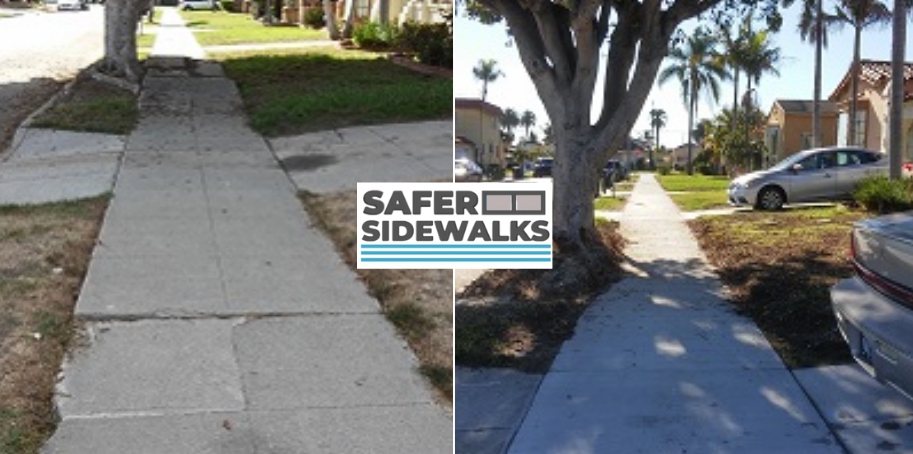
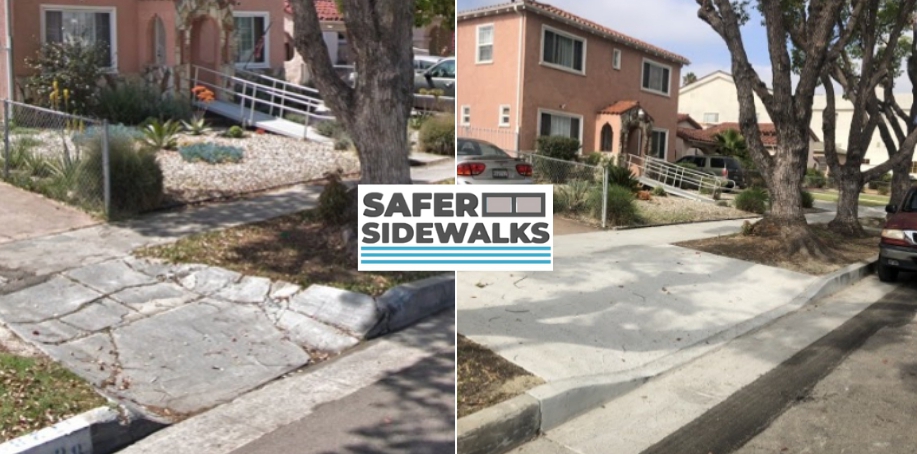
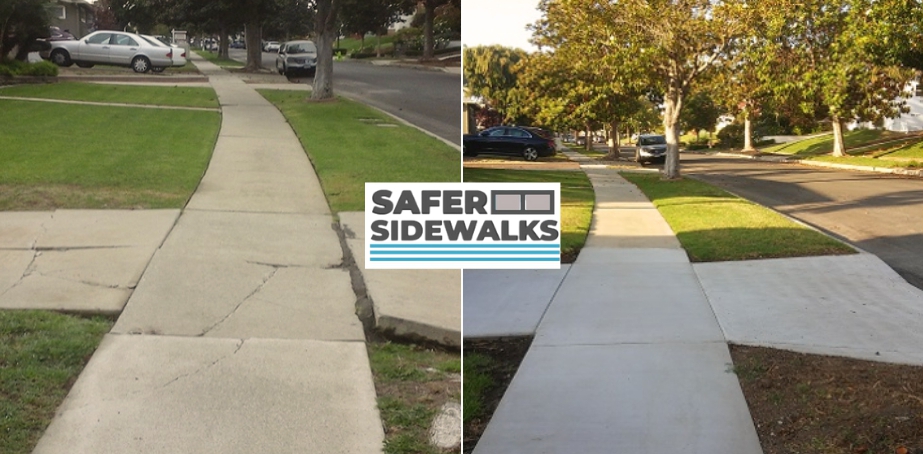
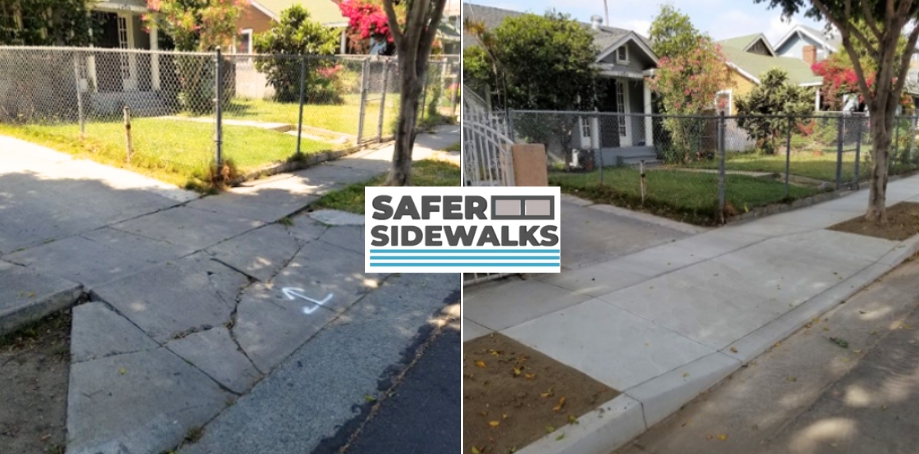
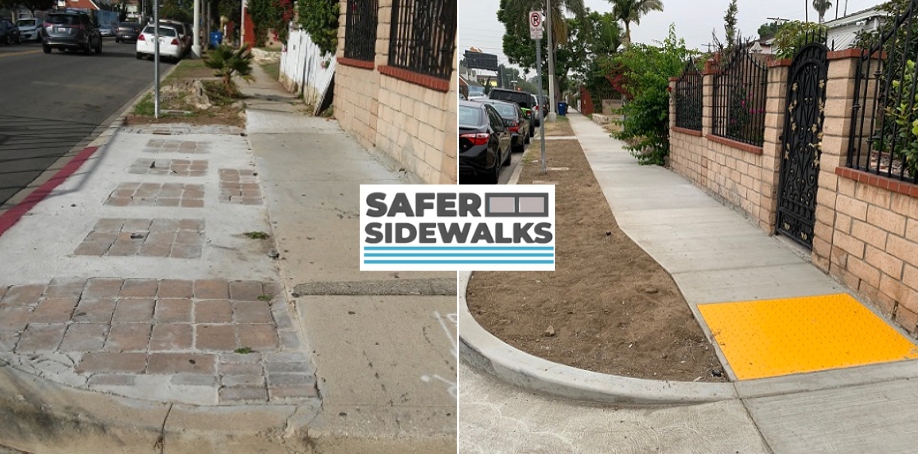
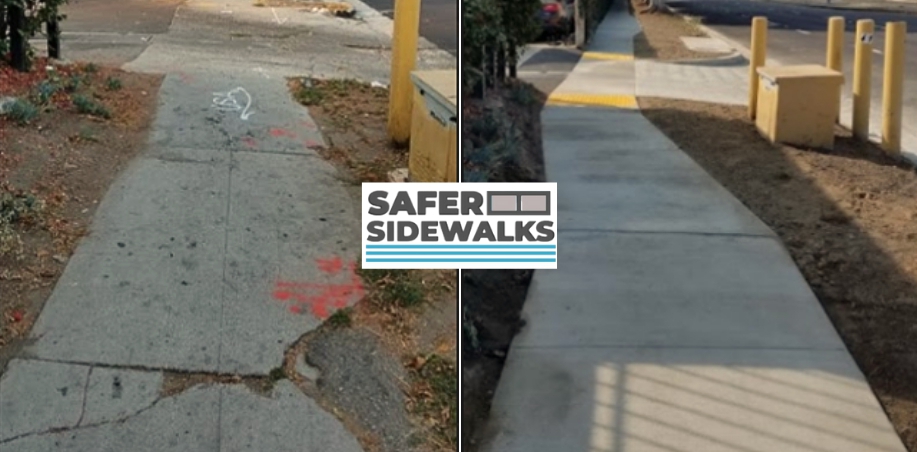
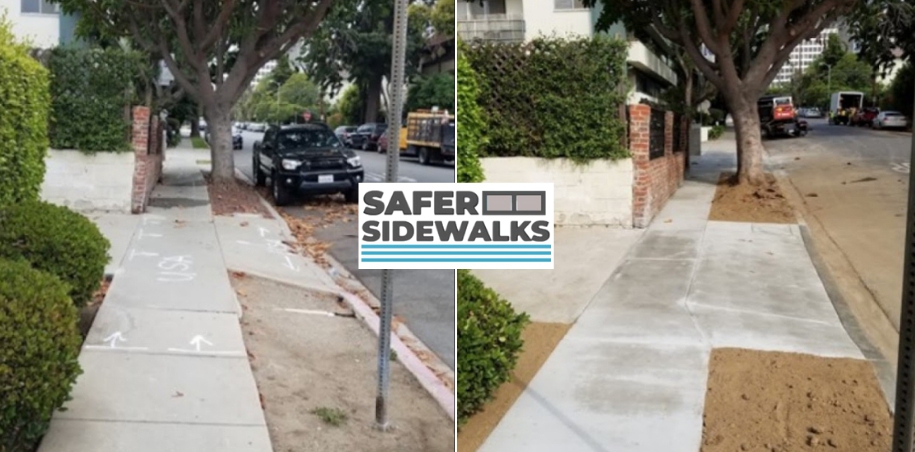
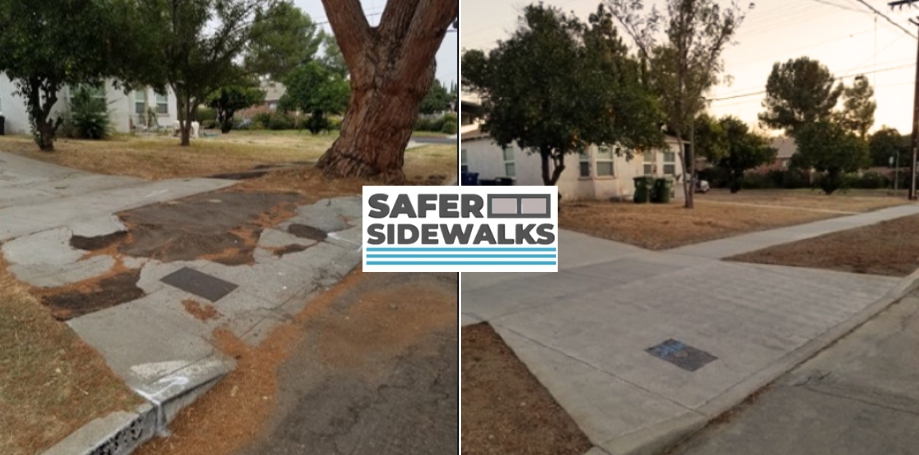
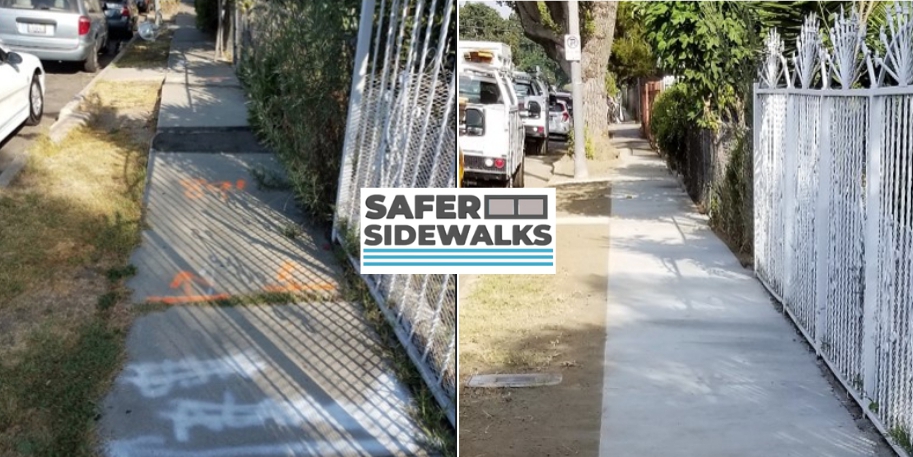
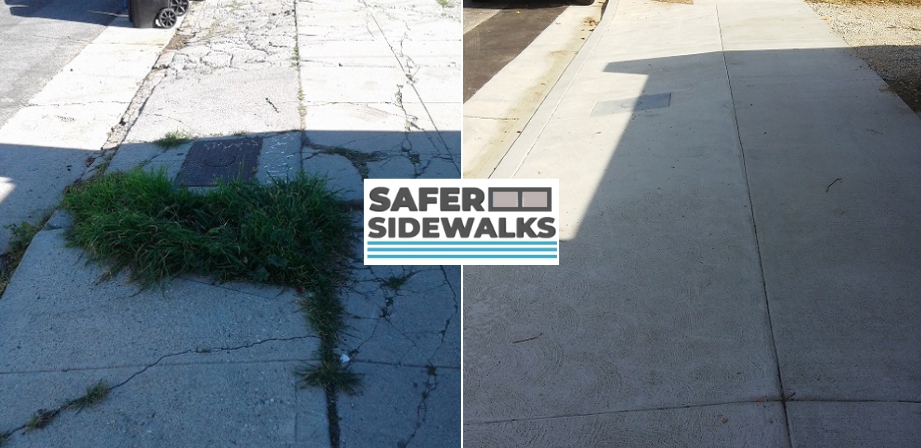
Los Angeles property owners – your sidewalk is a ticking timebomb. You’re probably looking at cracked slabs, crumbling concrete and upheavals so big you have skaters doing ollies off them. You’re looking at a trip and fall lawsuit waiting to happen.
But wait, isn’t the city supposed to fix the sidewalks? Sure, if you want to wait literally DECADES. If you are willing to wait that long, go ahead. Most property owners, though, will want to fix their sidewalk sooner rather than later. Fixing your sidewalk is easier than dealing with lawsuits from pedestrians who trip on it.
Who is responsible for fixing the sidewalks in Los Angeles?
That would be you.
There is a lot of debate back and forth about who is legally liable in a trip and fall lawsuit. The city will point the finger at the property owner. The property owner will look to the city to take responsibility.
Either way, it’s not something you want to mess with. There are too many headaches involved. Just fix the sidewalk. It will be easier and less expensive.
Why is my sidewalk damaged in Los Angeles?
Most neighborhoods in Los Angeles were built between 50 to 100 years ago, so it’s not surprising that our concrete footpaths have seen some wear and tear over the years. However, there are some reasons why our concrete sidewalks are more prone to damage:
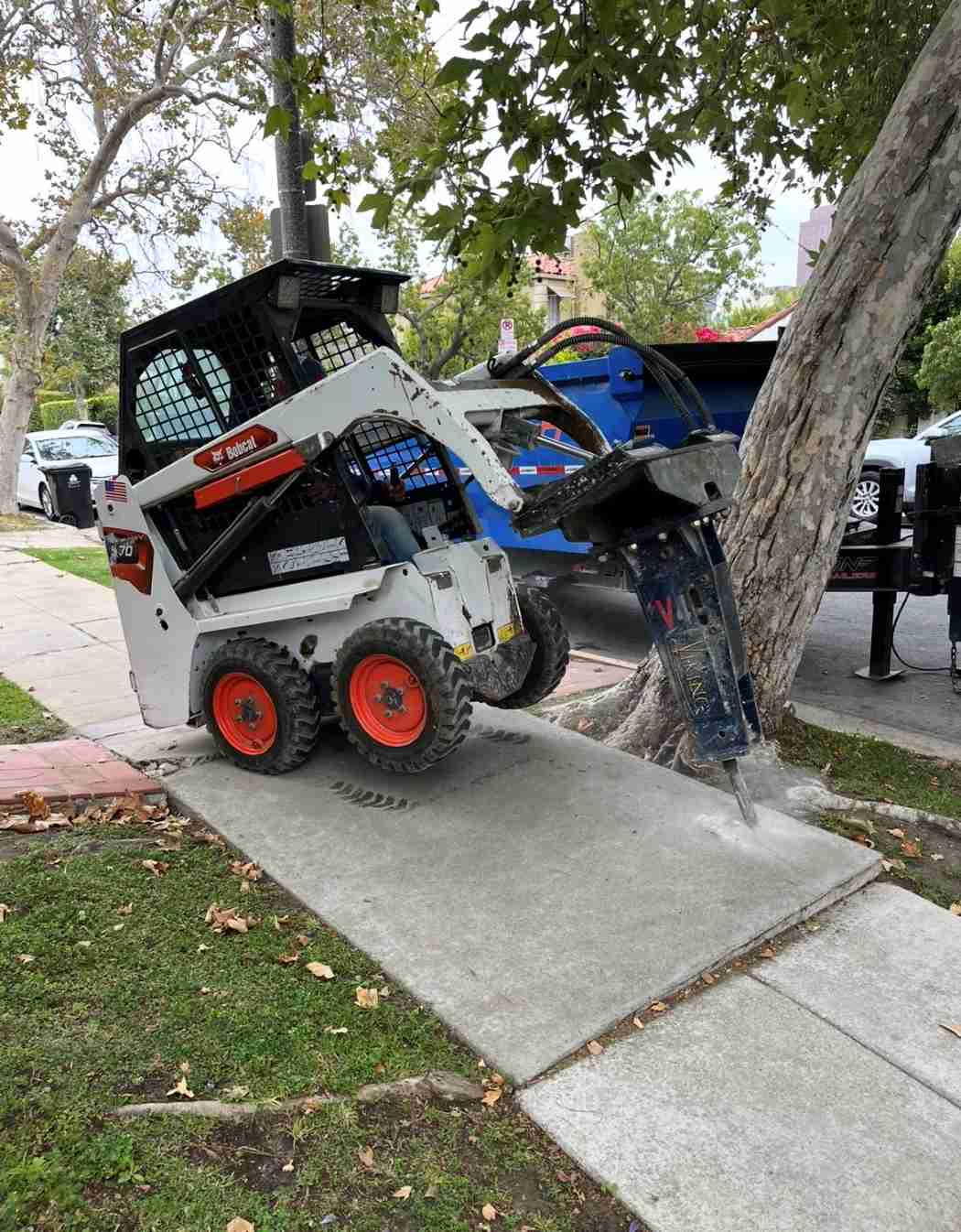
- Tree Roots: These are the main culprit behind the demise of your sidewalk.
- Insufficient Reinforcement in the Sidewalk: The sidewalks in our oldest neighborhoods were poured 100 or more years ago. Concrete sidewalk methods have changed to ensure a longer-lasting product.
- Erosion under the concrete sidewalk: Once tree roots lift up the sidewalk, water works to wash away the soil underneath, undermining the concrete sidewalk.
- Insufficient joints: Joints in concrete are those lines carved into wet concrete. This allows the concrete to swell and shrink temperature changes. If the concrete doesn’t have enough room to “breath,” it will crack.
Concrete sidewalk drying too quickly after it was poured: If your concrete is poured during a heat wave, you want to make sure it stays moist. When concrete dries, it’s actually going through a chemical process. You want to make sure that concrete has plenty of time to cure. Otherwise, you end up with brittle, crumbly concrete.
How can I get my sidewalk fixed in Los Angeles?
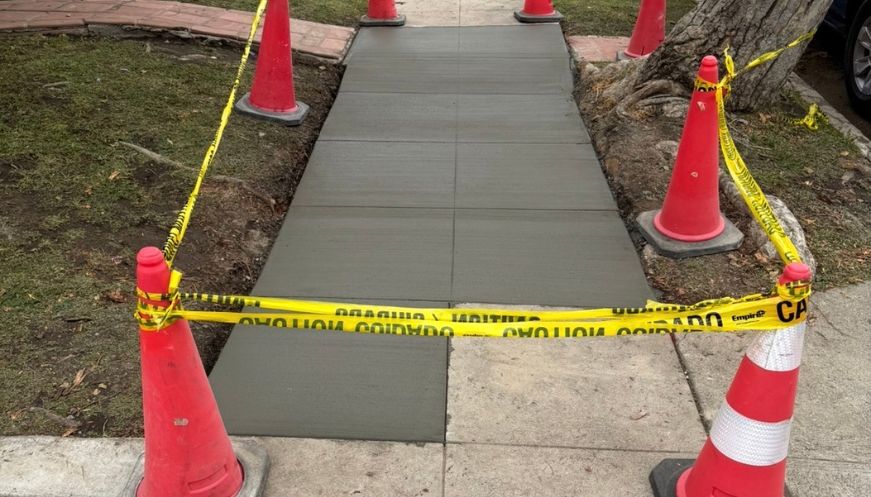
You want to hire a licensed concrete contractor and you may want to try to get the city’s rebate. If the city grants you a rebate, you will have to hire a licensed concrete contractor to do the work. You will also have to obtain an A-Permit. This is where the plot thickens.
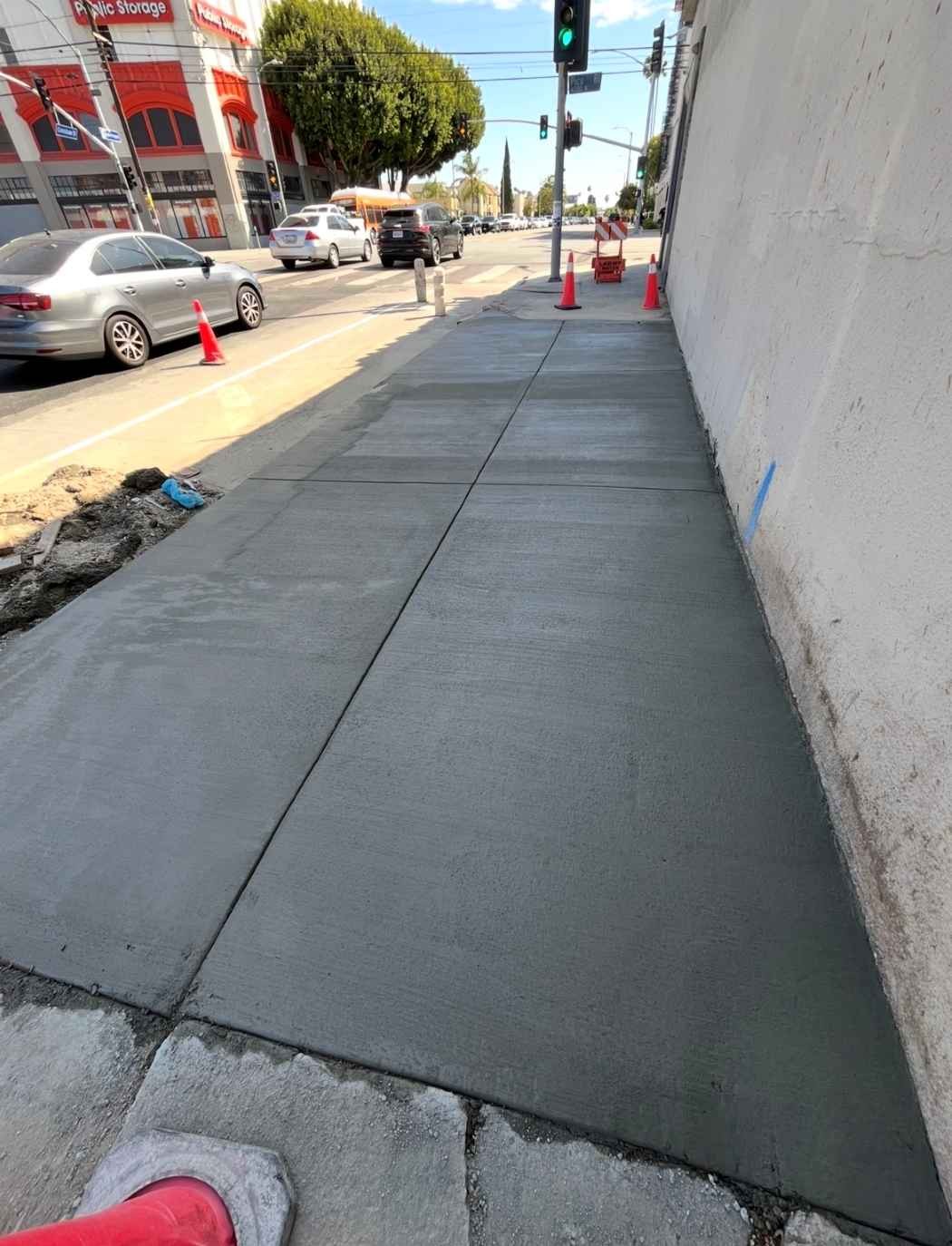
How do I get an A-Permit in Los Angeles?
You can apply for an A-Permit through the city via this website. However, most homeowners find the process to be similar to trying to find your way out of the minotaur’s labyrinth.
Because anyone can apply for an A-Permit, many property owners ask their licensed concrete contractor to pull it or they hire a permit expeditor. Either choice will save you time and headaches. Contractors and permit expeditors have years of experience dealing with the city’s permitting process. They know exactly what city inspectors are looking for and can easily make sure the permit is pulled the first time you apply for one.
What is an A-Permit in Los Angeles?
An A-Permit is the city’s stamp of approval on your sidewalk project. The city wants to ensure that there is continuity in the construction of sidewalks that are in the public right-of-way. The public right-of-way includes:
- City streets and lanes
- Alleys
- Parkways
- Sidewalks
- Public easements and unimproved streets
An A-Permit covers construction work completed in the public right-of-way. An A-Permit includes, but is not limited to:
- New driveway installations
- Driveway repair
- Sidewalk installation
- Sidewalk repair
- Curb and gutter repair
- Installation of streetscape fixtures (bicycles racks, speed humps, parklets, parkways landscaping, etc.)
- Street tree wells
- Curb drains
- Street resurfacing/repairs for minor excavations
If you got approved for the rebate and now you need an architectural plot plan with dimensions give us a call.