
by Alonso Romero
CA State Lic. Concrete & Masonry C-8
CA State Lic. General Construction - B
Buckaroo Banzai the Concrete Nerd
Actual person performing the job
Date: Feb 05, 2026
How Thick Should a Concrete Walkway Be in Los Angeles?
If you’re thinking about adding a new concrete walkway to your Los Angeles home, or replacing an existing one, probably one of the first and most important questions that must be addressed is: how thick should a concrete walkway be? It sounds simple, but thickness is key to a long-lasting path or driveway; and without the proper amount of material, your concrete can crack, settle and experience other types of damage well before its time.
Los Angeles is a particularly challenging place: expanding soil, gentle but unpredictable weather, hillside homes and rigorous local codes. This guide breaks everything down so that you can make the best choice for your home, whether you’re hiring a contractor or doing it yourself.
Suggested Thickness for Your Los Angeles, California Home Concrete Walkway
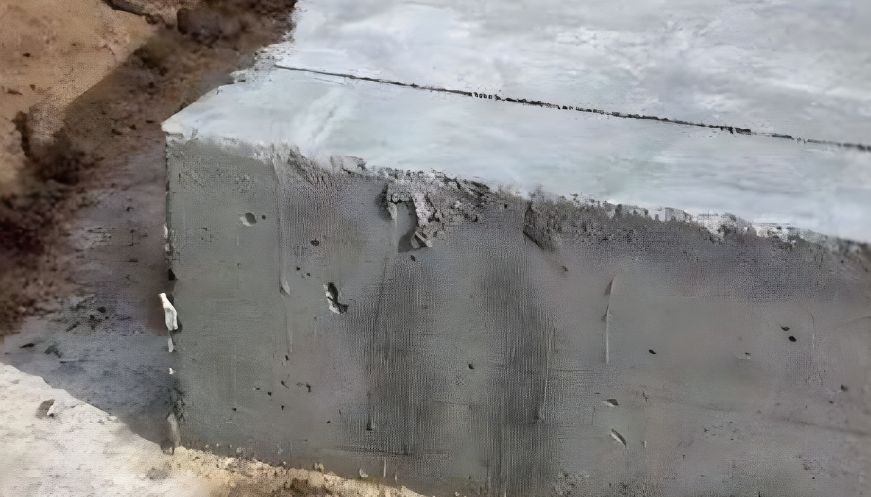
For the purpose of residential homes, a 4-inch thick concrete walkway is cost-effective. This thickness is the industry standard for driveways, patios and other applications in Southern California. And it’s also a good choice for sidewalks and walkways that will only see foot traffic.
But in Los Angeles, property owners often have to go beyond “standard.” Here’s a quick breakdown:
-
4 inches deep – Perfect for residential walkways, garden paths and side yards
-
5–6 inches thick – Used for walkways that cross driveways, carts and heavier loads
-
Over 6 inches thick – perfect for State/County roads and with frequent vehicle access
If your walkway connects the sidewalk to your front door or runs along the side of your house, 4 inches is generally adequate — provided the base is prepared properly.
The Importance of Walkway Thickness in Los Angeles
The thickness of the concrete is not only about strength, but also being able to walk on your path years from now. Soil creep is a significant problem for us in Los Angeles. Many neighborhoods — both in the San Fernando Valley and in coastal areas — are built on clay-heavy or expansive soils that swell and shrink with changes in moisture.
An overly narrow concrete walkway can:
-
Crack prematurely
-
Sink or lift unevenly
-
Not meet city inspection if in public right-of-way
Picking the right thickness for your walkway ensures it will not crack, meet local codes, and withstand everyday use.
Concrete Walkway Thickness vs. Concrete Sidewalk Thickness
Concrete walkways are fairly common, and most people are on one at some point or another every single day of their lives. Homeowners regularly wonder. Even though they’re similar, there are nuanced distinctions.
-
Driveways and Patios Residential homes: 4 inches thick minimum
-
Los Angeles: City or public sidewalks 4–6 inches depending on local conditions and intended use
If any work is to be done in the public right-of-way, reach out to your municipality. The City of Los Angeles might very well require denser concrete and specific reinforcement details.
Why the Base Matters (And Thicker Isn’t Always Better)
The right concrete thickness won’t matter if the base beneath it is not prepared well. Indeed, much of the failure in Los Angeles walkways is a result of subgrade work.
What should the base of a concrete walkway be?
-
2"–4" of packed crushed gravel
-
Compacted native underneath the gravel
-
Adequate drainage to prevent the accumulation of water
One common DIY mistake is to forgo that gravel base and pour concrete directly on dirt; it’s a blind hope that the dirt will compact uniformly, and your slab won’t crack over time as the ground itself settles — maybe unevenly, especially if its compaction rates are changed significantly by heavy seasonal rains.
Sloping and Drainage Requirements for Concrete Walkways
In L.A., thickness counts, but so does drainage. A concrete walk should slope approximately 1/4 inch for each linear foot, away from the building and toward storm-drain inlets.
This slight slope:
-
Prevents standing water
-
Reduces surface deterioration
-
Aids to ensure local building techniques are followed
Chronic poor drainage isn’t good for any slab—and even the deepest thick slabs will eventually have strength-threatening damage if they settle or heave.
Do You Need Rebar or Mesh In A Concrete Walkway?
Reinforcement is typically optional (if not necessarily recommended) for a typical 4-inch residential walkway, but in Los Angeles it’s often recommended.
You may want reinforcement if:
-
The soil is known to shift
-
The long passage is crossed partway through
-
The concrete is 5 inches or more thick
Common options include:
-
Welded wire mesh
-
#3 rebar spaced evenly
Reinforcement will not prevent cracks altogether, but it does help to hold them in check and keeps the slab structurally sound.
How Traffic Loads Influence The Thickness of Concrete Walkways
Consider actual use of the walkway. A path that only gets foot traffic has different demands than one where the sidewalk serves as a landing pad for trash bins, wheelchairs or delivery carts.
Examples:
-
Front yard walk → 4” thick
-
Trash bins in the side yard → 5" thick
-
Sidewalk over a Driveway Apron 6" thick
Thicker concrete is often worth the minor extra cost for long-term durability in Los Angeles neighborhoods with narrow side yards.
Los Angeles Local Codes and Permits
If your concrete walkway is within the public right-of-way, Los Angeles typically requires:
-
Permit approval
-
Minimum thickness standards
-
ADA-compliant slopes and transitions
Not complying with them can cause expensive remedial actions. When in doubt, work with a local concrete expert who is knowledgeable about the regulations in Los Angeles.
Final Answer: How thick should a concrete walkway be?
For the vast majority of Los Angeles homes, the answer is obvious:
-
4-inches thickness for use on residential patios and walkways
-
5–6 inches thick for heavier use or driveway crosses
But remember: Thickness is one thing, but it doesn’t stand on its own. It’s proper base prep, seeping water management, rebar and finishing that really dictate how long your concrete walkway will last.
Call (818) 869-3291 to speak with a local expert.